Blue Dream: A Playful Handwritten Font for Web Design
As a web designer, I'm always on the lookout for fonts that can add a unique and engaging touch to my projects. Recently, I came across Blue Dream, a playful and friendly handwritten font, and decided to test it in a real website layout. The results were nothing short of delightful.
Visual Characteristics and Personality
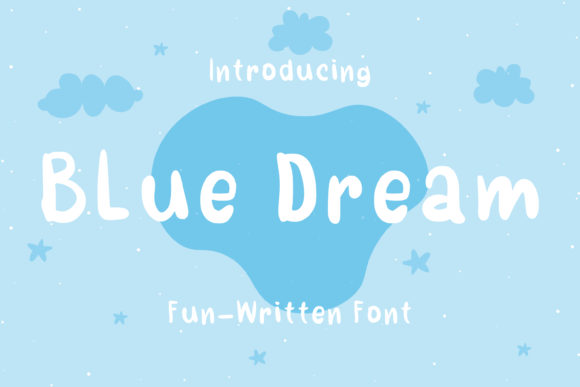
Blue Dream is a premium font with a charming, hand-drawn feel. Its whimsical and approachable style makes it perfect for adding a personal touch to digital designs. The font's flowing, cursive-like strokes give it a lively and energetic vibe, making it stand out in any layout.
Testing Blue Dream in a Real Website Layout
I started by integrating Blue Dream into a boutique online store. The first thing I noticed was how well it complemented the overall aesthetic of the site. In the hero section, I used Blue Dream for the main heading, "Welcome to Our Boutique," and it immediately set a welcoming and friendly tone. The font's playful nature made the text feel more like a personal message than a generic greeting.
Next, I tested Blue Dream in the product categories section. Here, I used it for the category titles, such as "New Arrivals" and "Best Sellers." The font added a touch of creativity and personality, making the categories more visually appealing and memorable. It also helped to create a clear visual hierarchy, guiding the user's eye through the page.
Readability and Responsive Design
One of the key considerations for any web font is readability, especially on mobile devices. I previewed Blue Dream on a variety of screen sizes, from desktops to smartphones. While the font looked fantastic on larger screens, I found that it maintained its charm even on smaller devices. However, I did make sure to use it sparingly for longer text, opting instead for a clean sans serif font for body copy to ensure optimal readability.
In terms of responsive design, Blue Dream performed well. I adjusted the font size and line height to ensure that it remained legible and visually appealing across different breakpoints. The font's natural flow and rhythm made it easy to integrate into a responsive layout without sacrificing its unique character.
Font Pairing and Visual Hierarchy
To create a balanced and professional look, I paired Blue Dream with a simple sans serif font, such as Roboto or Lato, for the body text. This combination allowed the decorative qualities of Blue Dream to shine while maintaining a clean and readable layout. For example, in the "About Us" section, I used Blue Dream for the title, "Our Story," and Roboto for the paragraph text. This pairing created a harmonious and visually pleasing design.
Additionally, I experimented with using Blue Dream for call-to-action (CTA) buttons. The font's playful and inviting style made the CTAs stand out, encouraging users to click and explore further. For instance, a button labeled "Shop Now" in Blue Dream felt more engaging and less formal, aligning perfectly with the boutique's brand identity.
Web Design Use Cases and Limitations
Blue Dream is an excellent choice for a variety of web design elements, including:
- Website headers and hero sections
- Landing page headlines and subheadings
- Call-to-action areas and buttons
- Product category titles and tags
- Blog graphics and post titles
- Digital ads and promotional banners
- Portfolio site headings and project titles
However, it's important to note that Blue Dream may not be suitable for all web design needs. For instance, it might not be the best choice for long-form content, small navigation text, or dense dashboard layouts. In these cases, a more straightforward and legible font would be more appropriate.
Final Considerations for Web Designers
Before incorporating Blue Dream into your web projects, consider the following:
- Check for webfont availability: Ensure that the font is available in webfont formats, such as WOFF and WOFF2, for optimal performance and compatibility.
- Test on multiple devices: Preview the font on various screen sizes and devices to ensure it maintains its readability and charm.
- Consider font licensing: Verify that the font license allows for commercial use, especially if you plan to use it on client projects or e-commerce sites.
- Explore included styles and weights: Check if the font includes different styles, such as bold or italic, and use them creatively to add variety and emphasis.
- Pair with complementary fonts: Choose a clean and simple font for body text to create a balanced and professional look.
In conclusion, Blue Dream is a versatile and charming handwritten font that can add a unique and personal touch to your web designs. Whether you're working on a boutique online store, a creative portfolio, or a promotional landing page, Blue Dream can help you create a memorable and engaging user experience. Just remember to use it thoughtfully and pair it with complementary fonts to achieve the best results.